Manhole Rehabilitation
Polyurea manhole rehabilitation specialists in NSW – spray-applied protective coatings that extend manhole service life.
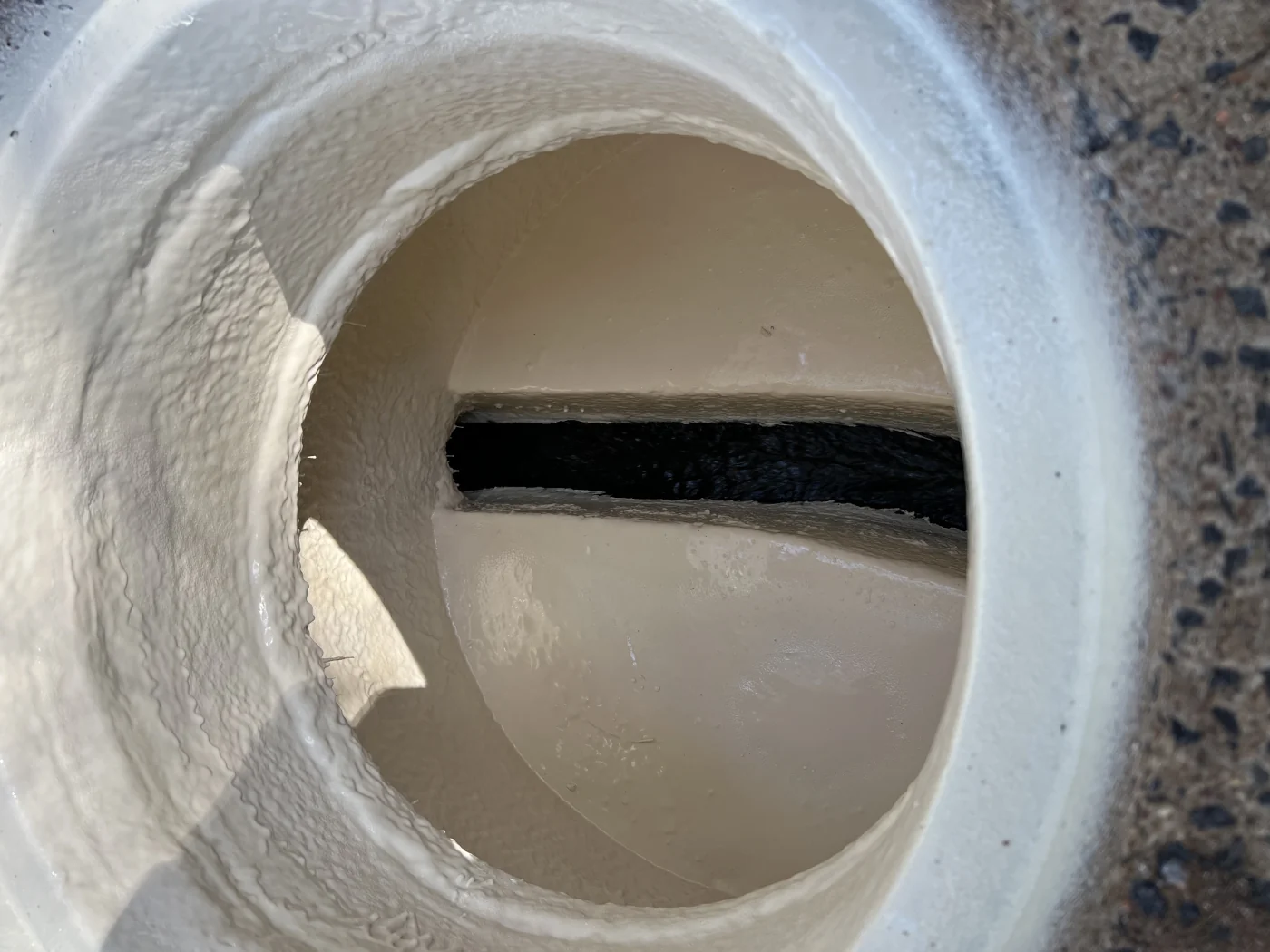
Manhole rehabilitation is an essential part of any council program and TriKing is here to help. With a system that covers all problems from tree roots to infiltration.
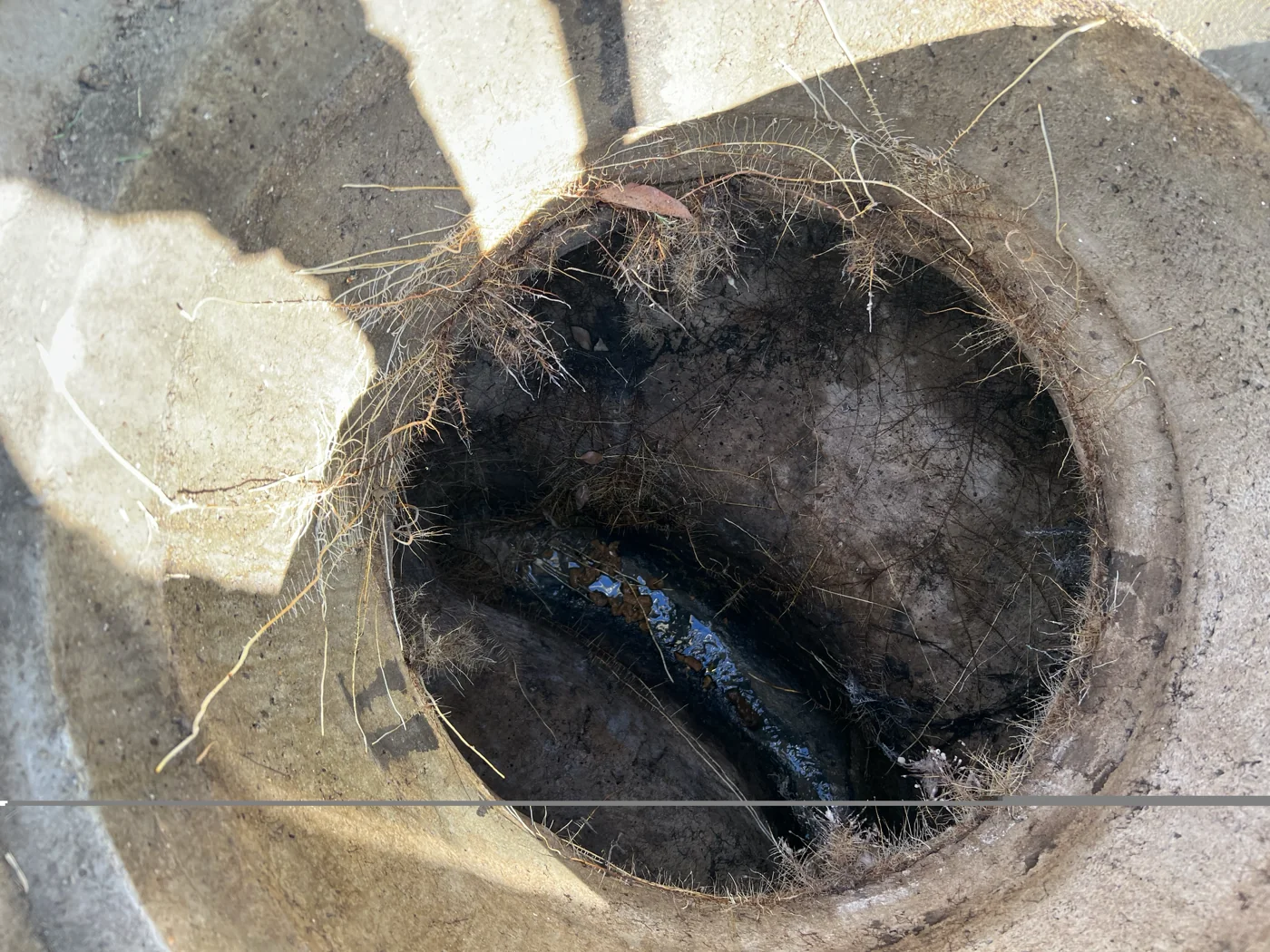
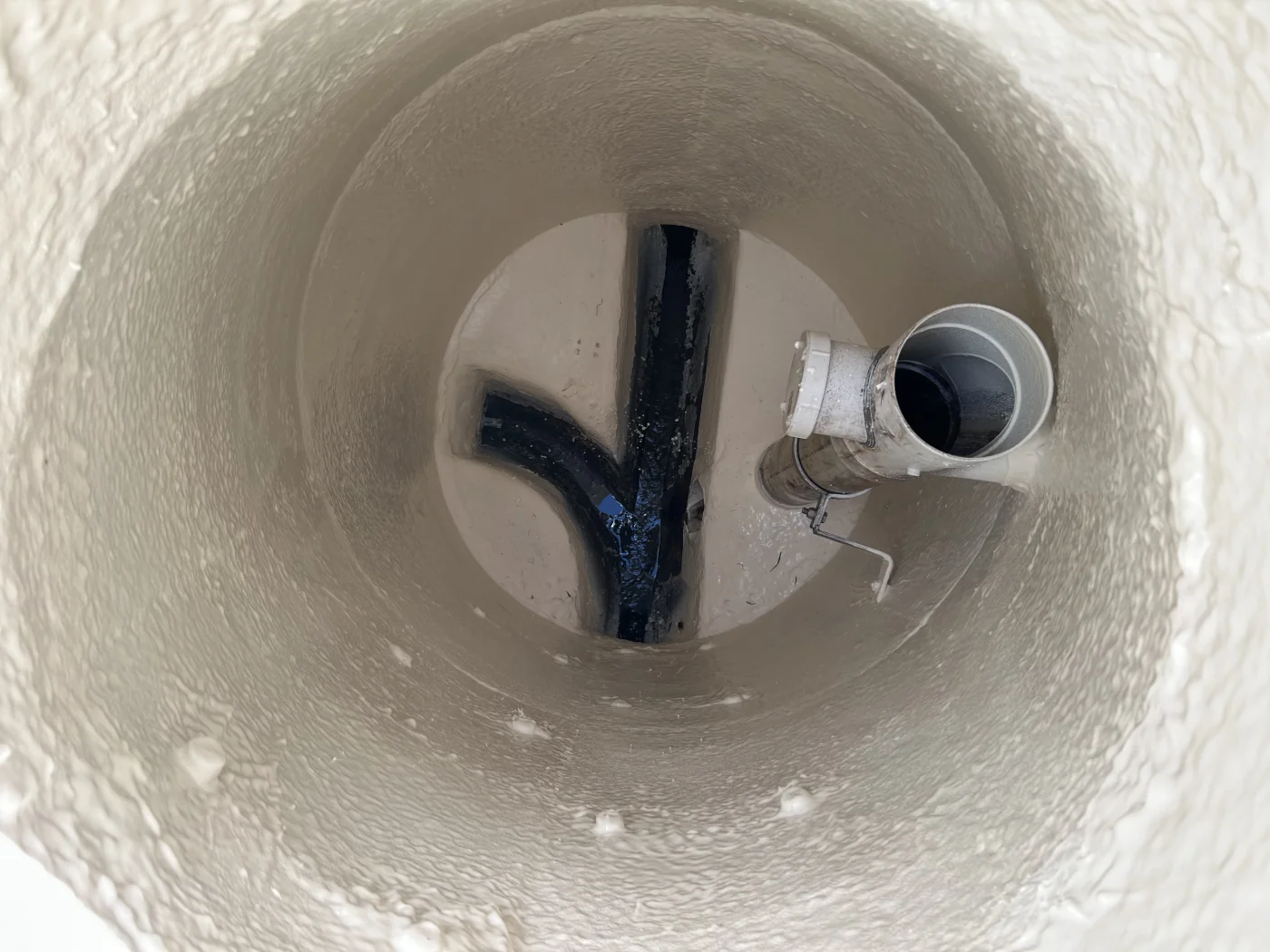
Our Process
Every access chamber rehabilitation follows a structured process: initial inspection and cleaning, infiltration repair where required, surface preparation, and final polyurea coating. Quality Assurance testing is conducted before handover.
Product
We use Tufflon-P80 pure polyurea – AS 4020 compliant for potable water contact, zero VOCs, and rated for continuous service at 120°C. This trenchless method avoids the cost and disruption of full manhole replacement.
Frequently Asked Questions
- How long does polyurea manhole rehabilitation last?
- Tufflon-P80 is rated for continuous service at 120°C and resists both H2S and microbial-induced corrosion. Specific service life depends on site conditions and coating thickness.
- Can manholes be rehabilitated without excavation?
- Yes. All work is done from inside the manhole or from the surface. No excavation or replacement of the existing structure is required.
- How does polyurea compare to epoxy for manhole coating?
- Polyurea cures in seconds and returns to service within hours. Epoxy typically requires 24-72 hours. Polyurea remains flexible and bridges cracks, whereas epoxy is rigid and can crack under stress.
- How quickly can a rehabilitated manhole return to service?
- Polyurea sets in seconds. In most cases a rehabilitated manhole can return to service within hours, the same day.
Related
Refurbishment
Full rehabilitation of ageing sewer infrastructure, restoring structural integrity and function.
Sealing and Injection of Infiltration
Targeted injection repair products to stop water ingress in both high and low flow conditions.
Sand Blasting
Mechanical surface preparation to ensure maximum adhesion for protective coating systems.